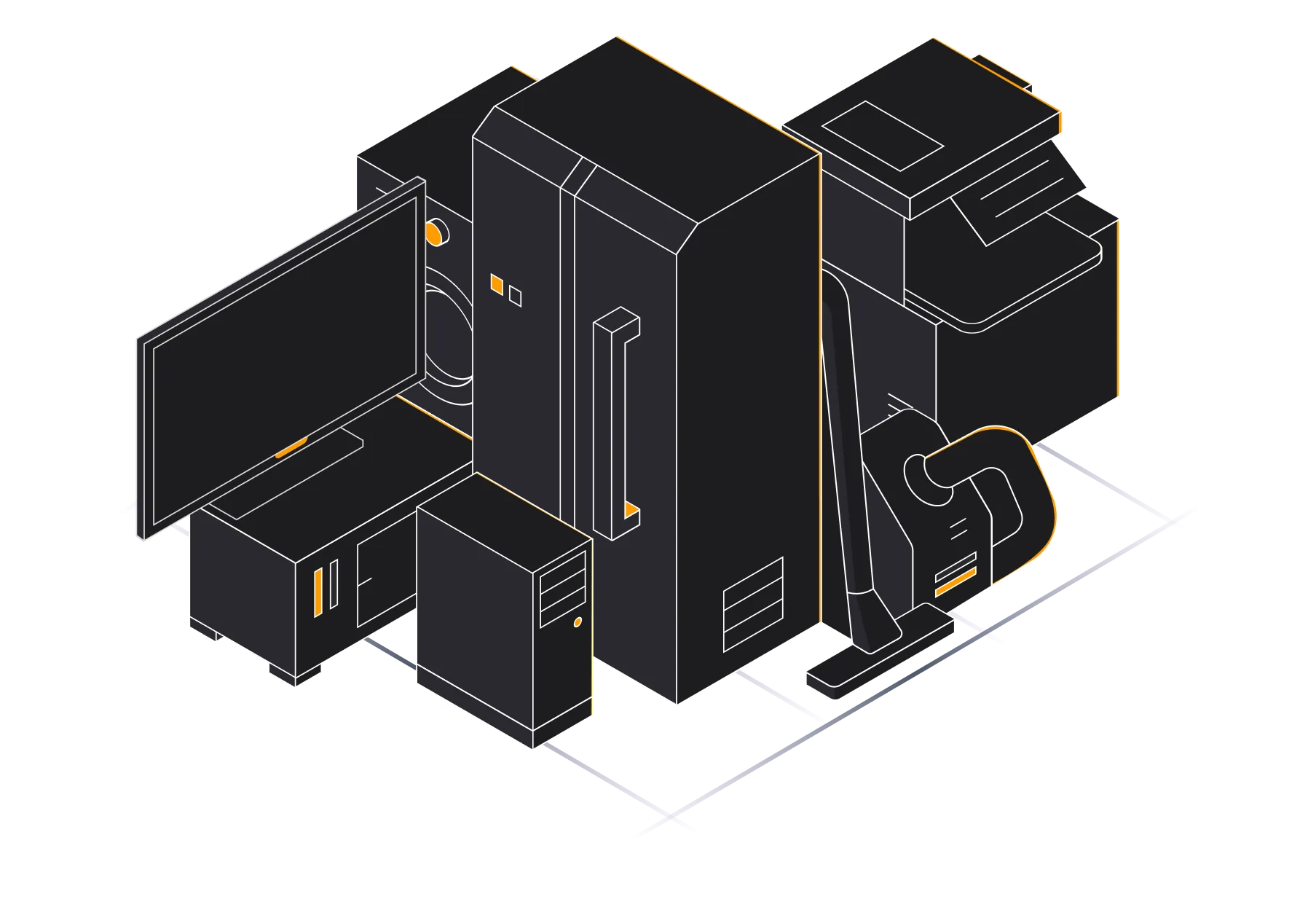
Office moves and server room decommissions tend to be planned backwards. The new site gets months of attention; the old equipment gets a fortnight and a panic. That is how organisations end up with unaccounted drives, a skip bin full of priority waste and no record of what happened to anything.
Here is a sequence that works, roughly eight weeks out from the date you need the room empty.
You cannot prove you disposed of something properly if you never recorded that you had it. Start with a list, and capture for every item: asset tag, make and model, serial number, whether it holds data, and whether it is leased or owned.
The leased question matters more than people expect. Equipment still under lease usually has to go back to the lessor under their terms, and wiping or destroying it may breach your agreement. Separate those items first.
Do not forget the things that are easy to overlook: networking gear with configuration files, multifunction printers with internal drives, backup tapes, and the desktop in the storeroom nobody has logged into since 2019.
Split the register into four buckets:
For the last two, decide now whether each data-bearing device will be erased or physically destroyed. Erase what you want to resell; destroy what has failed or is too sensitive to risk. Our guide to data erasure versus data destruction covers how to make that call.
Two sets of duties apply in Victoria, and they run in parallel.
Privacy. Under Australian Privacy Principle 11.2, once you no longer need personal information for a permitted purpose you must take reasonable steps to destroy it or de-identify it — including copies on backups. Where a third party does the destroying, verifying that it happened is part of those reasonable steps.
Environment. E-waste cannot go to landfill in Victoria. Most business e-waste is pre-classified as priority waste under Schedule 5 of the Environment Protection Regulations 2021, and duties under the Environment Protection Act 2017 apply to the generator, the transporter and the receiver. You are the generator. Your obligation does not transfer with the truck.
Anyone reprocessing your e-waste needs an EPA permission — an A02b licence above 500 tonnes a year, or an A02c registration below it. Ask for the number while you are still choosing a provider, not afterwards.
Beyond the permission and the standard, settle the practical questions in writing:
Our ITAD checklist has the full list of questions worth asking at this stage.
De-racking is physical work and server rooms are unforgiving spaces. Before the day:
Batteries deserve a separate mention. UPS units and lithium-ion cells are a fire risk in transit and are handled under their own rules. Flag them to your provider in advance rather than hiding them in a pallet.
Have someone from your team present who can answer questions and sign. Reconcile what physically leaves against the register before the truck moves — not afterwards. Note any discrepancy on the day, because a serial number that cannot be accounted for in a week's time is a reportable problem.
You are not finished when the room is empty. You are finished when you have:
File all of it together. If anyone ever asks what happened to a particular machine, that folder is the answer.
Leaving it until the last fortnight. Rushed decommissions are where devices get missed, where the skip bin becomes tempting, and where nobody checks whether the erasure actually verified. Eight weeks is not excessive for a server room; it is about right.
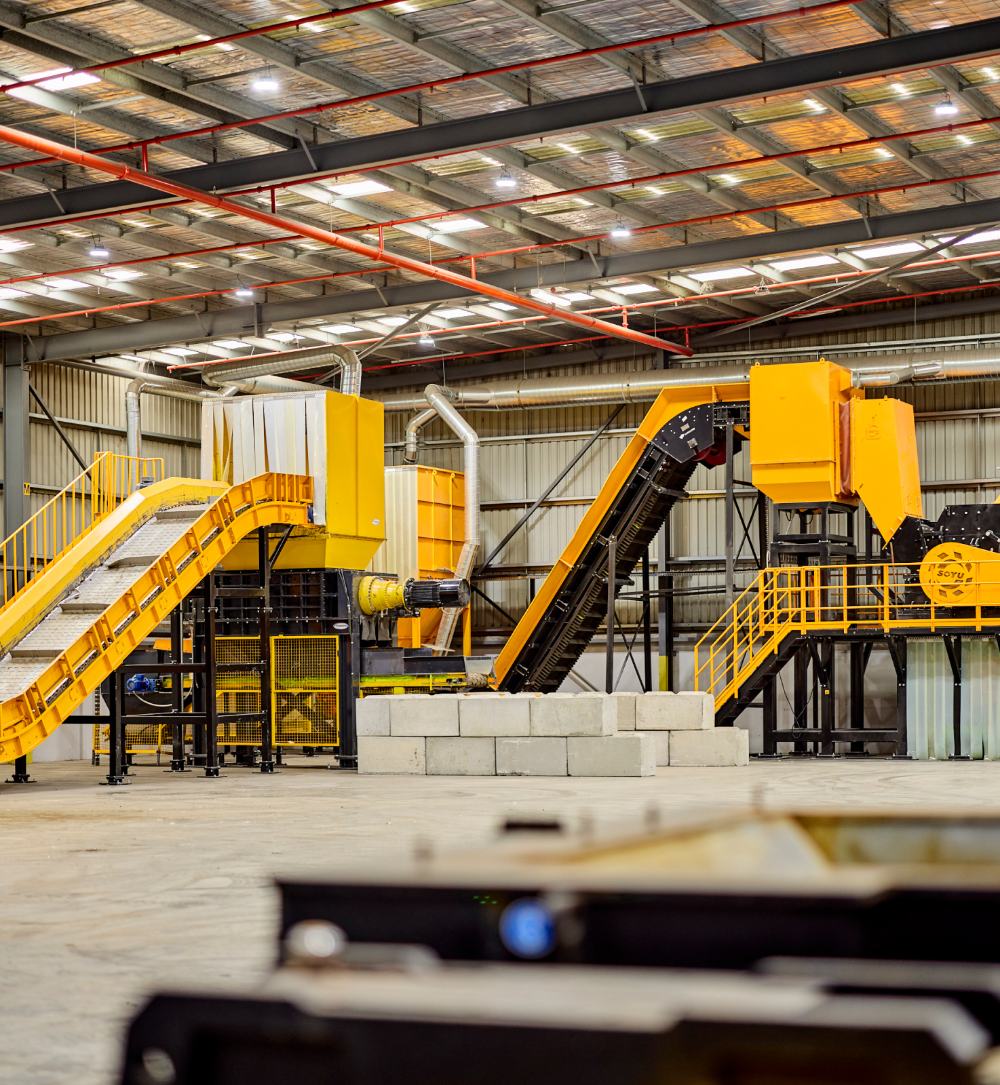
ReSource handles decommissioning across Melbourne from our Derrimut and Keilor East facilities, including on-site collection, auditing, erasure and recycling. See our ITAD services or talk to us about your timeline.